


The Quiet Shift Inside Our Substations: Why SF₆-Free Is the Future of High-Voltage Power
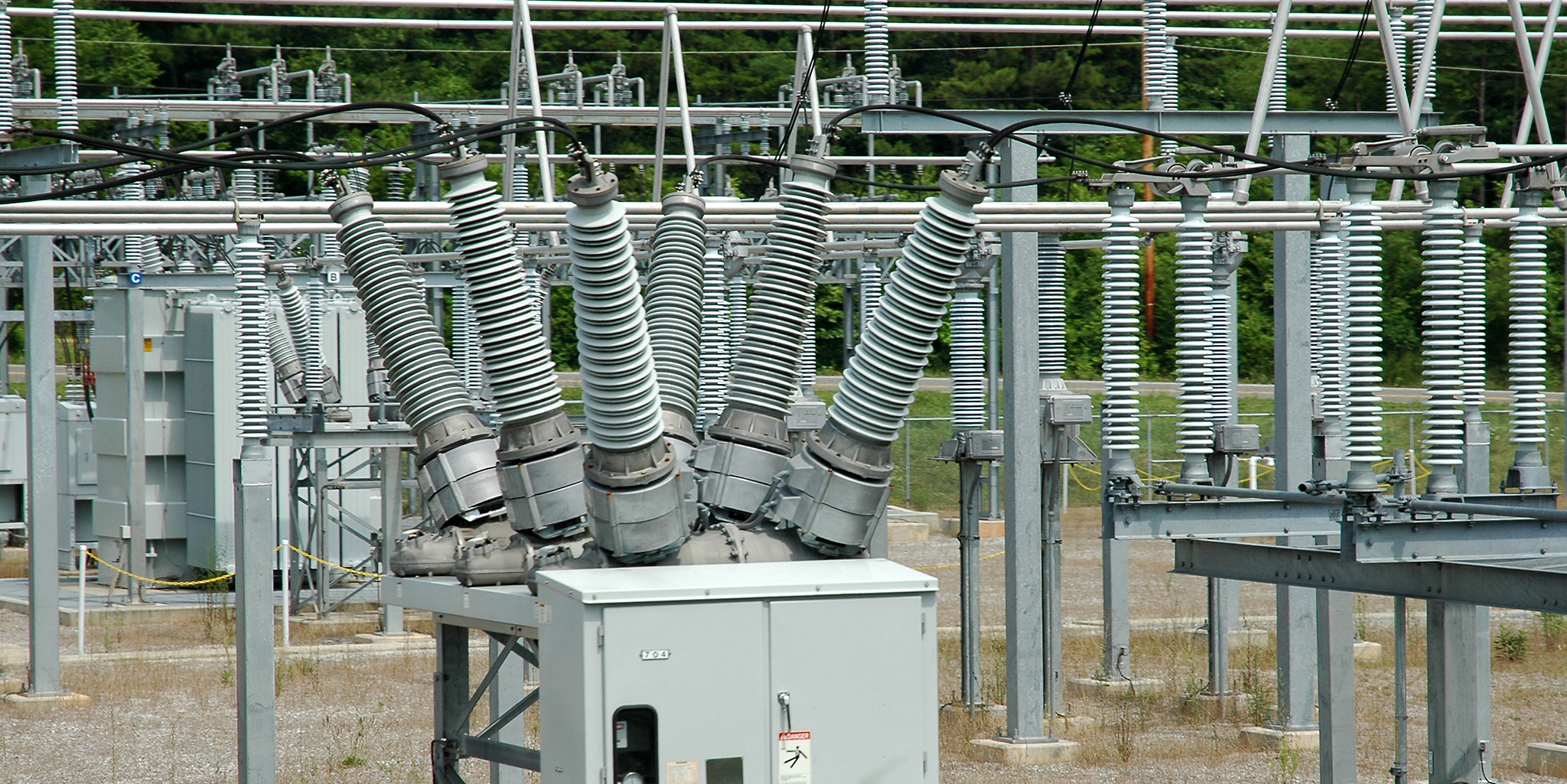
For decades, sulphur hexafluoride, better known as SF₆, has been the unseen workhorse inside high-voltage substations. Its ability to insulate electrical equipment and rapidly extinguish powerful arcs made it the natural choice for compact, dependable switchgear, especially in dense urban networks where every square metre counts.
As power demand grew and transmission networks stretched across continents, SF₆ became the global standard for utilities. The reasoning was straightforward. Engineers prized technical performance, operational safety and uninterrupted supply, and on each of these counts, SF₆ delivered exceptionally well.
When reliability met responsibility
That picture began to change as the world started counting its carbon. Although SF₆ is used in small quantities, it has one of the highest global warming potentials of any known gas and lingers in the atmosphere for thousands of years. Even a minor leak from a substation can translate into a sizeable carbon footprint when expressed in CO₂ equivalent terms.
With nations committing to net zero and regulators tightening rules on fluorinated gases, what was once a purely technical material has now become a visible environmental concern. The conversation inside boardrooms and control rooms has shifted from “Does it work?” to “Does it work responsibly?”
A new set of expectations for utilities
Today, utilities are balancing two equally important duties. They must keep the lights on without compromise, while meeting ambitious sustainability commitments. Gas monitoring, emissions reporting and recovery procedures have become standard practice, adding layers of operational complexity.
At the same time, environmental and governance performance is shaping investment flows and corporate reputation in a way it never did before. It has become clear that simply plugging leaks is not enough. To align substation infrastructure with long term climate goals, the industry needs a deeper technological shift, not just incremental fixes.

Figure 1: The evolution of high-voltage insulation technology, from conventional SF₆ systems to climate-friendly substations.
Vacuum and clean air: a simpler answer
The search for alternatives has produced some of the most exciting innovations in high-voltage engineering in recent years. One of the most promising combines vacuum interruption with clean air insulation. The electrical arc generated during switching is safely extinguished inside a vacuum chamber, while insulation is provided by ordinary atmospheric gases like nitrogen and oxygen.
Because these gases have negligible warming impact, the environmental footprint of the equipment falls dramatically. Manufacturers such as Siemens Energy have already brought clean air insulated switchgear to market, proving that climate friendly designs can meet the strictest reliability and safety standards.
Lower impact, familiar design
A second pathway focuses on reducing impact through advanced low global warming potential gas mixtures. GE Vernova’s g³ (Green Gas for Grid) cuts warming potential by more than 95 percent compared with conventional SF₆ systems. Hitachi Energy’s EconiQ portfolio offers a similar eco efficient alternative for high-voltage applications.
The advantage of this route lies in continuity. Because the overall architecture of gas insulated substations remains familiar, utilities can transition gradually without overhauling installed infrastructure. Lower emissions, fewer regulatory risks, and a smoother adoption curve, all in one.

Table 1: Comparison of conventional and SF₆-free high-voltage technologies.
The substation of tomorrow
The move towards SF₆-free high-voltage equipment is more than a technology upgrade. It reflects a wider transformation in how the power industry defines progress. For decades, design choices were measured almost entirely by performance. Today, sustainability sits alongside reliability and efficiency as a non-negotiable.
Through vacuum systems, clean air insulation and low impact gas mixtures, the industry has proved that environmental responsibility need not come at the cost of performance. As climate commitments deepen and clean energy capacity expands, SF₆-free substations will move from being an alternative to becoming the default. The backbone of the power system can keep delivering dependable electricity while doing its part for the planet.


