


Navigating ASME and IBR Requirements for Instrument Impulse Piping

A Simple Installation Question with Wider Engineering Implications
Instrument installation on main steam lines in power plants can raise a seemingly straightforward question: do the impulse pipes and associated fittings downstream of the piping or instrument root valve require ASME code stamping or IBR certification?
The question becomes relevant because main steam applications operate under demanding pressure and temperature conditions, while project specifications, statutory requirements, plant-owner requirements and the availability of certified piping materials can all influence material selection. Industry users also work with a range of materials for main steam applications depending on the applicable pressure and temperature conditions.
For instrument engineers, the challenge is therefore not simply to select a suitable pipe or fitting. It is to understand the jurisdictional boundary that applies to the installation and then translate that interpretation into an appropriate material specification without creating unnecessary requirements, cost or delay.
This case study examines the question from two perspectives: the requirements considered under ASME and those considered under the Indian boiler framework, before looking at how the interpretation can inform instrument engineering and project decisions.
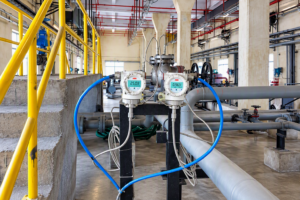
Figure 1. Field instrument installation on process piping
Understanding the Instrument Impulse Piping Arrangement
Before considering the applicable requirements, it is important to understand where the impulse piping sits within a typical instrument installation. In a main steam instrument installation, the distinction between the main process piping and the impulse piping downstream of the root valve becomes important when determining which requirements govern the installation.
The engineering question is therefore less about whether the instrumentation is connected to a boiler or main steam system and more about how the applicable code defines the piping on either side of the jurisdictional boundary.
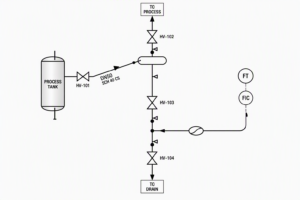
Figure 2. Typical instrument impulse piping arrangement

Figure 3. Multiple field instruments connected through impulse piping
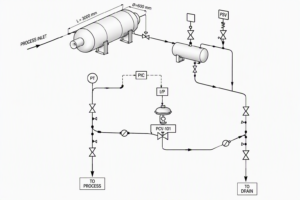
Figure 4. Typical pressure-transmitter impulse connection
Where ASME Draws the Jurisdictional Boundary
The first part of the assessment considers ASME Section I 2019, including the code-jurisdiction illustrations for boiler piping. The interpretation presented in this case study is that vents and instrumentation piping after the piping root valve are treated as non-boiler external piping and joints, outside Section I jurisdiction, with the applicable ASME B31 code then considered.
ASME B31.1 contains separate sections covering steam piping, feedwater piping and instrument piping. Based on the interpretation developed in the case study, ASME code stamping is not called for exclusively for instrument impulse piping and its associated fittings downstream of the root valve.
This distinction is significant because the instrument impulse line serves a different purpose from the main steam-carrying process piping. Understanding where one jurisdiction ends and another begins can therefore influence how engineers develop material specifications for the instrument installation.
The central engineering interpretation is based on the position and function of the impulse piping in relation to the root valve, rather than treating every element connected to a main steam line as though it automatically carries the same certification requirement.
Reading the Requirement Through the Indian Boiler Framework
The second part of the assessment considers the requirement from an Indian regulatory perspective. The Boilers Act, 1923 applies to steam boilers and boiler components installed in India, and the definitions used in the Act are important when assessing whether a particular pipe or fitting falls within its scope.
Under the definitions cited in the original case study, a boiler excludes a pressure vessel with a capacity of less than 25 litres, a vessel with design and working gauge pressure below 1 kg/cm², or a vessel in which water is heated below 100°C. A boiler component includes steam piping, feed piping, an economiser, a superheater, a mounting or fitting, and other external or internal boiler parts subject to pressure exceeding 1 kg/cm²g.
The cited definition describes a steam pipe as a pipe through which steam passes where the pressure exceeds 3.5 kg/cm²g, or where the pipe exceeds 254 mm in internal diameter and the steam pressure exceeds 1 kg/cm²g above atmospheric pressure. The same regulatory context also defines feed-pipe, economiser and superheater according to their function within the boiler system.
Based on these definitions, the case study interprets instrument impulse piping used for instrument installation as distinct from the boiler or boiler components described above and considers it under ASME B31.1 as non-boiler external piping.
Code Requirement and Project Requirement Are Not Always the Same
The assessment concludes that the cited codes and regulations do not categorically assert a requirement for ASME code stamping or IBR certification for instrument impulse pipes and fittings downstream of the root valve or valves. This conclusion should not, however, be interpreted as a universal instruction to avoid certified material.
Project specifications and plant-owner requirements remain important considerations. IBR-certified carbon steel, stainless steel, ASTM A335 P22 and ASTM A335 P91 pipes and fittings are available and are used for main steam instrument-installation applications where the project or owner requires them.
The case study also notes that, in the event of inadvertent leakage in an impulse pipe, the affected section can be isolated from the boiler or boiler component by closing the relevant piping or instrument root valve, helping prevent further damage.
This distinction is important for engineering practice. There is a difference between asking whether the governing code categorically requires certification and asking whether a particular project requires certified material. The first is a code-interpretation question. The second brings together the applicable code, project specification, plant-owner requirements and the engineering basis of design.
Using the Jurisdictional Boundary to Inform Material Selection
Correctly establishing the jurisdictional boundary can have a direct bearing on instrument-piping specifications. If requirements are applied more broadly than intended, instrument installations can potentially carry specifications that go beyond what the applicable code interpretation demands. Conversely, an engineering decision that considers only the minimum code interpretation without checking project and owner requirements can create problems later in the project.
The stronger approach is therefore to establish the regulatory position first, document the engineering basis and then reconcile that position with the project specification and plant-owner requirements. This makes the exercise more than a compliance check. It becomes part of disciplined specification development, where materials are selected because their requirements are understood and justified rather than carried forward automatically from the main piping system.
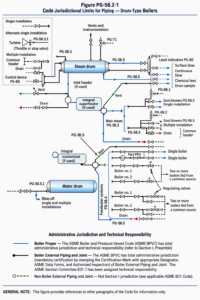
Figure 5. Reference drawing for piping code jurisdiction
Turning Code Interpretation into Project Value
The outcome of the assessment has implications beyond documentation. The case study identifies the potential to use this interpretation to support instrument-installation material cost reduction and the prevention of design delays, while continuing to give due consideration to plant-owner requirements.
The value does not come simply from selecting a lower-cost component. It comes from avoiding requirements that may not be necessary for a particular portion of the installation while retaining those required by the governing code, project specification or plant owner. For large power projects with numerous instrument installations, clarity at the specification stage can also help prevent the same regulatory question from being revisited repeatedly during engineering, procurement and execution.
Getting the Engineering Boundary Right
Instrument impulse piping demonstrates why good engineering depends not only on knowing a standard, but also on interpreting where and how that standard applies. For main steam instrument installations, the root valve represents an important point in evaluating the piping and certification requirements applicable to the downstream impulse piping.
Based on the interpretation presented in this case study, the relevant requirements do not categorically assert ASME code stamping or IBR certification for instrument impulse pipes and fittings downstream of the root valve or valves. The practical engineering decision must nevertheless account for the complete project context, including the applicable codes, specifications and plant-owner requirements.
This is ultimately where regulatory understanding creates engineering value. Clearly identifying the applicable jurisdiction can support more precise material specifications, avoid unnecessary requirements and reduce the possibility of design delays, while ensuring that project-specific obligations remain part of the decision-making process.


