
Sectors
Transmission & Distribution, Power
Services
Design & Engineering
Location
Bhutan
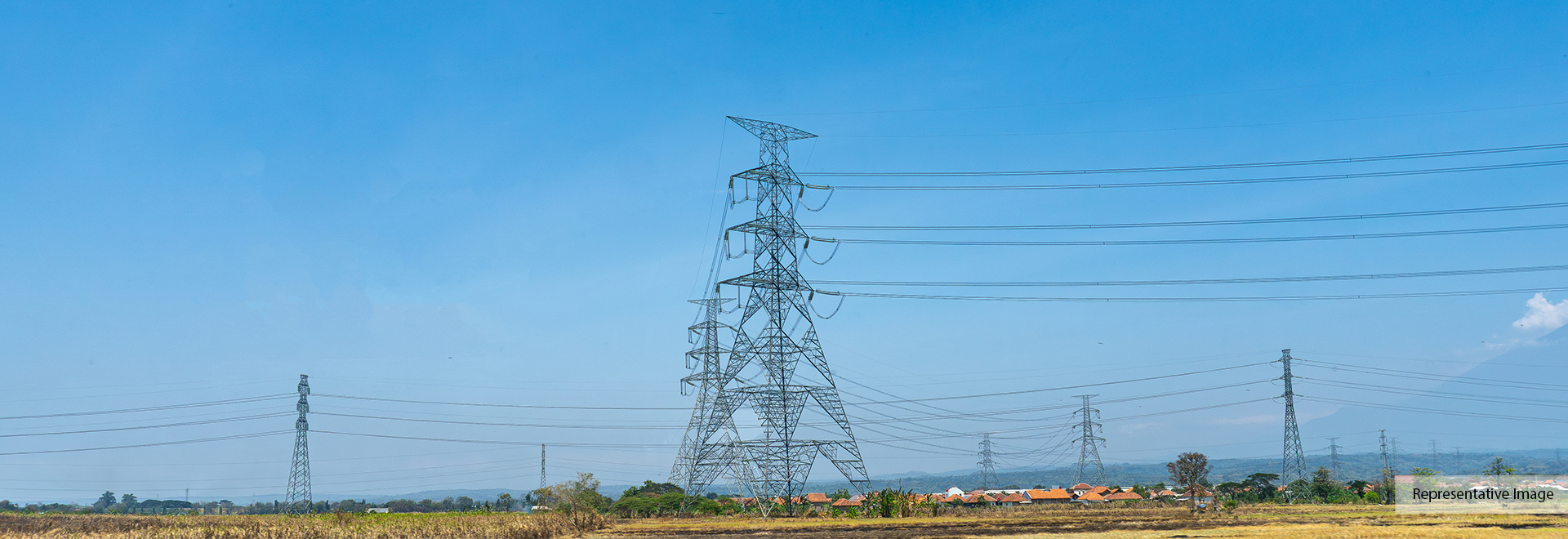
This programme focused on rural electrification planning across 17 districts, implemented through grid extension and, where suitable, local grids supported by local generation such as mini and micro hydel schemes, and solar systems where required. The work included socio economic data collection from villages and household surveys in electrified and non-electrified areas to assess expected impact of electrification.
The project components included over 400 kilometres of 33 kV and 11 kV lines, a total distribution transformer capacity of about 11 MVA, and low-tension line length of about 400 kilometres. The assignment commenced in June 1998 and was planned for completion by June 1999, with survey completion and network and village finalisation achieved during the assignment period.
TCE's Scope
TCE carried out comprehensive study and system planning for the rural electrification programme, including socio economic surveys, impact assessment and estimation of economic benefits. The scope included feasibility analysis across social, economic, environmental, financial, technical and institutional dimensions, along with financial projections, tariff study, and preparation of master plans for electrification and computerisation. Institutional strengthening recommendations were also part of the assignment.
Impact
The study delivered a structured, data led master plan for rural electrification across a national scale programme. It supported prioritised investment planning by combining network planning with socio economic impact assessment and feasibility validation, enabling a clearer pathway to expand rural electricity access through grid extension and appropriate local solutions.


About Us
Overview Our Leadership MilestonesSubsidiaries
- Ecofirst - Tata Consulting Engineers USA, LLC Corporate Social Responsibility Corporate GovernanceMedia
Media Kit Notices Annual Reports Marketing Collateral Videos TCExpressions Press Releases Press Coverage@tceconnect


© Tata Consulting Engineers Limited. All Rights Reserved | Site Credits:DV



