
Sectors
Infrastructure
Sub Sectors
Water
Services
Design & Engineering, Project Management and Safety
Location
Ladakh, India
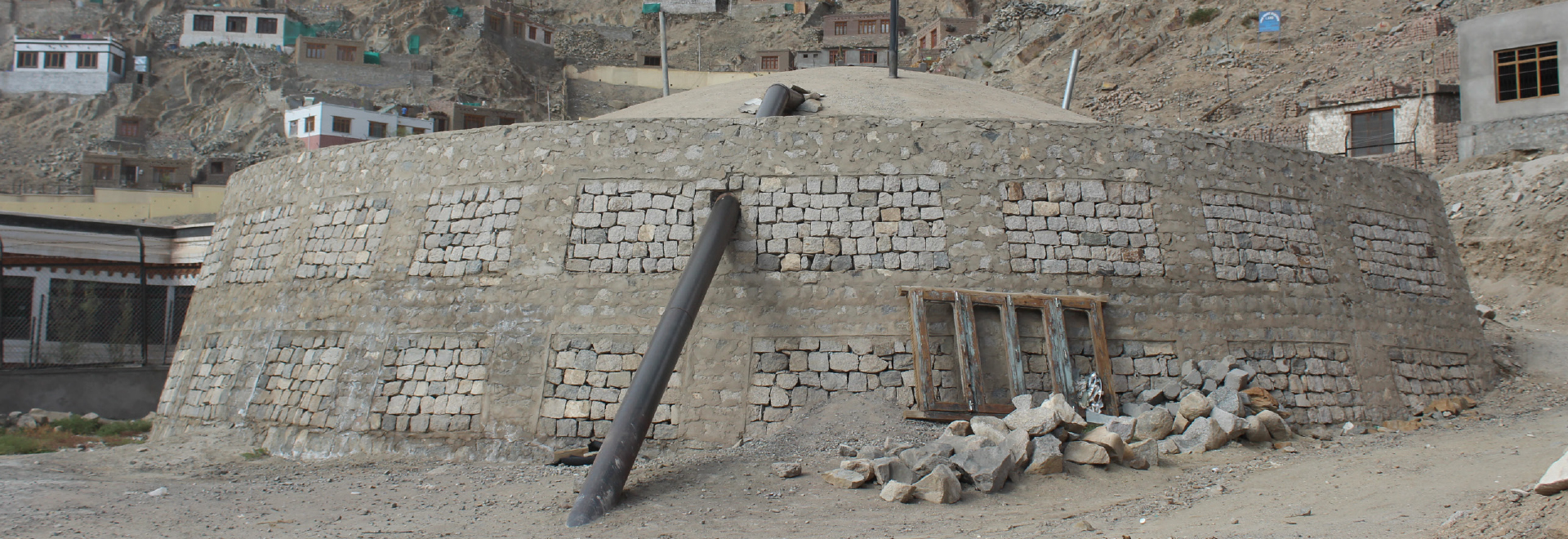
Leh is a cold desert region where winter temperatures can fall to minus 30 degrees Celsius, presenting unique and extreme challenges for water supply infrastructure. Water systems in this high-altitude environment must withstand prolonged freezing, harsh terrain, and fluctuating weather patterns. The Government of Ladakh launched a visionary plan to achieve a sustainable, 24/7 water supply through climate-resilient engineering. The project aimed to deliver a reliable year-round water supply adapted to these conditions. It included a new intake system, advanced treatment facilities, and an extensive transmission and distribution network designed to operate in subzero temperatures. Pipelines were laid below frost levels, treatment units were insulated, and protective measures were adopted for all exposed connections to ensure uninterrupted service.
TCE's Story
Tata Consulting Engineers prepared the detailed project report and led the technical planning for every aspect of the system, including intake systems, water treatment facilities, insulated pipelines, distribution networks, reservoirs, and zone-based metering. The engineering design featured a 23 MLD intake system near the Indus River, feeding into a new water treatment plant designed to deliver 5.7 MLD of high-quality potable water. The transmission network comprises 34.17 kilometres of mains and 72.34 kilometres of distribution pipelines, serving 14 zones and 32 district metered areas. To address the extreme cold, pipelines were laid 1.5 to 2 metres below the frost line, and self-regulating heat tracing cables were installed for above-ground pipes and household connections. The roofs of treatment units were insulated with PUF panels, and buildings were equipped with electric heating panels to prevent freezing. Solar power supports pumping stations through net metering, while gravity-based distribution reduces energy use and increases reliability. TCE’s approach integrated renewable energy and advanced climate-adaptive engineering to ensure the system’s resilience and efficiency.
Impact
This project has brought reliable, year-round water supply to households in one of India’s most challenging environments, significantly improving access to safe drinking water and enhancing public health outcomes. By demonstrating how engineering can adapt to local climatic challenges, the project has strengthened climate resilience for the region. The use of solar power and gravity-based distribution has reduced operational costs and environmental impact, while the adoption of advanced insulation and heating technologies has ensured uninterrupted service even during the harshest winters. The Leh project stands as a model for sustainable water supply in cold desert regions and underscores the potential of climate-resilient infrastructure to transform lives and support long-term community well-being.


About Us
Overview Our Leadership MilestonesSubsidiaries
- Ecofirst - Tata Consulting Engineers USA, LLC Corporate Social Responsibility Corporate GovernanceMedia
Media Kit Notices Annual Reports Marketing Collateral Videos TCExpressions Press Releases Press Coverage@tceconnect


© Tata Consulting Engineers Limited. All Rights Reserved | Site Credits:DV



