
Sectors
Infrastructure
Sub Sectors
Water
Services
Design & Engineering
Location
Karnataka, India
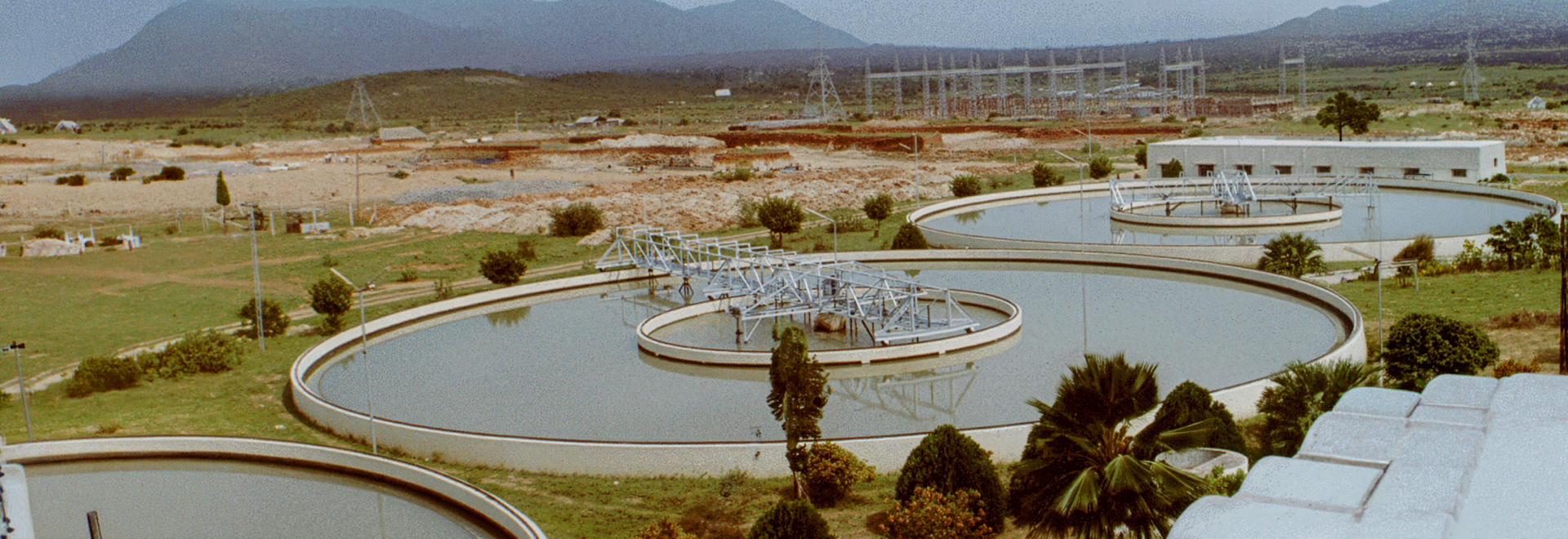
Bangalore’s rapid urban expansion and rising population placed sustained pressure on its water supply and wastewater infrastructure. The city’s population more than doubled to 8.5 million in 20 years as the information technology sector grew, which stressed existing systems and affected equitable distribution. The project was undertaken to significantly augment water supply, extend services to peripheral regions, and strengthen sewage systems to improve sanitation and environmental outcomes. The programme involved development of a large-capacity water treatment facility, high-head pumping systems, and an extensive transmission network capable of conveying treated water over long distances and varied elevations. Storage infrastructure was expanded through multiple reservoirs to stabilise supply and maintain consistent pressure across the distribution network. In parallel, wastewater collection systems and treatment facilities were enhanced to reduce untreated discharge and improve overall water quality.
TCE's Story
Tata Consulting Engineers was contracted by the Bangalore Water Supply and Sewage Board to plan and execute the expansion and refurbishment of the city’s water utilities. The scope covered detailed design engineering for water supply, sewage treatment, and water distribution system improvement. It included slum development by converting public taps to individual connections, improving water supply and sanitation, and strengthening social development across 362 notified slums, which amounted to approximately 100,000 connections. TCE provided construction supervision and inspection services and prepared execution planning to lay large-diameter pipelines ranging from 1,200 mm to 2,500 mm along congested roads using trenchless methodology to minimise disruption. The team set rigorous review and monitoring mechanisms for contractors to ensure on-time commissioning and control cost overrun. Dynamic Mechanical Analysis was employed to reduce leakage in the distribution system from 38% to 16%. Management improvement components were introduced, such as supervisory control and data acquisition (SCADA) for water and wastewater treatment facilities, expansion of networks, and Kaveri electronic bill payment facilities to improve customer service. TCE enhanced customer relations, supported public awareness, and strengthened human resources development. Engineering deliverables included Asia’s largest water treatment plant using dissolved air flotation technology, which was the first of its kind in India, along with sewage treatment plants of more than 40 MLD designed with power generation facilities.
Impact
The project augmented Bangalore’s water supply by 50%, providing an additional 500 MLD. It increased wastewater treatment capacity by 52%, reaching a total of 989 MLD. Distribution improvements reduced unaccounted-for water by 58% across an area of about 300 sq. km that covered 300,000 connections. Individual water and sanitary connections were provided across 362 notified slums. The initiative was the largest unaccounted-for water reduction project in India and strengthened TCE’s position as an expert and leader in water management services at scale. It developed a cohort of engineers with expertise in large-scale water supply projects and set new benchmarks for engineering, technology, and project management in India’s water sector while supporting Bangalore’s continued growth and liveability.


About Us
Overview Our Leadership MilestonesSubsidiaries
- Ecofirst - Tata Consulting Engineers USA, LLC Corporate Social Responsibility Corporate GovernanceMedia
Media Kit Notices Annual Reports Marketing Collateral Videos TCExpressions Press Releases Press Coverage@tceconnect


© Tata Consulting Engineers Limited. All Rights Reserved | Site Credits:DV



