
Sectors
Renewables, Power
Sub Sectors
Renewables
Services
Design & Engineering
Location
Qatar
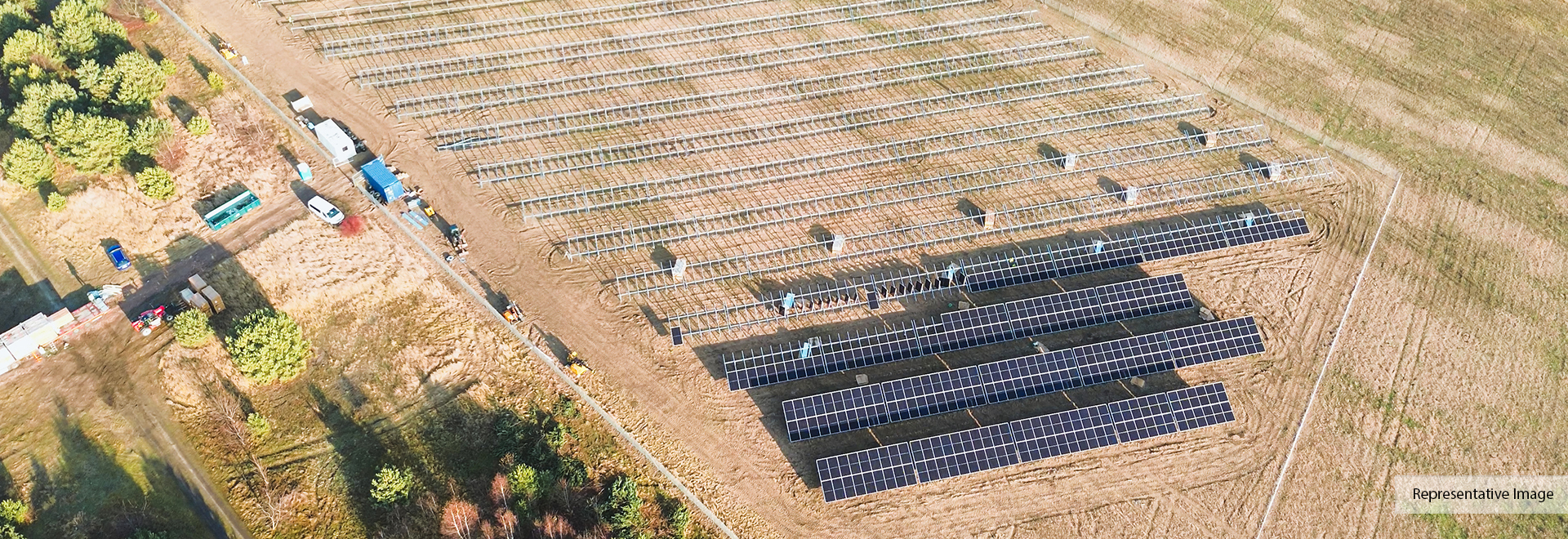
This 875.5 MWp solar photovoltaic development expands renewable energy generation across two major industrial zones in Qatar. The project includes a 400 MW facility and a 375 MW facility, together supporting the long term sustainability needs of energy intensive operations within the region. The development strengthens the country’s clean energy goals by adding large scale solar capacity designed to operate reliably under demanding climatic and grid conditions. The engineering work for the project was completed in April 2024.
TCE's Story
TCE delivered the complete electrical engineering for the entire development. This included full electrical system studies with a special focus on reactive power compensation in line with national grid code requirements. The scope covered the preparation of the Single Line Diagram, Protection System Study and sizing of all major electrical equipment. TCE engineered the substation facilities and the complete Balance of Plant for the solar photovoltaic field. The work also included development of electrical logic and schematic drawings, along with all interconnection wiring diagrams in accordance with Kahramaa standards.
TCE reviewed vendor documents, carried out Technical Bid Evaluations for electrical equipment and supported relay setting calculations. The team also prepared engineering for the 220 kV Gas Insulated Substation, supervisory control and data acquisition requirements, and schedules for instrumentation and interconnection wiring.
Impact
TCE’s engineering work strengthened the project’s capability to deliver stable renewable power at a very large scale. The detailed system studies improved power quality, supported grid stability and ensured full compliance with national grid requirements. The precise selection of reactive power compensation equipment enhanced overall performance, while the integrated design approach helped achieve reliable operation, reduced electrical losses and efficient long term plant performance.


About Us
Overview Our Leadership MilestonesSubsidiaries
- Ecofirst - Tata Consulting Engineers USA, LLC Corporate Social Responsibility Corporate GovernanceMedia
Media Kit Notices Annual Reports Marketing Collateral Videos TCExpressions Press Releases Press Coverage@tceconnect


© Tata Consulting Engineers Limited. All Rights Reserved | Site Credits:DV



