
Sectors
Hydrocarbons & Chemicals
Services
Design & Engineering, Project Management and Safety
Engineering India’s First Integrated Bioethanol Refinery
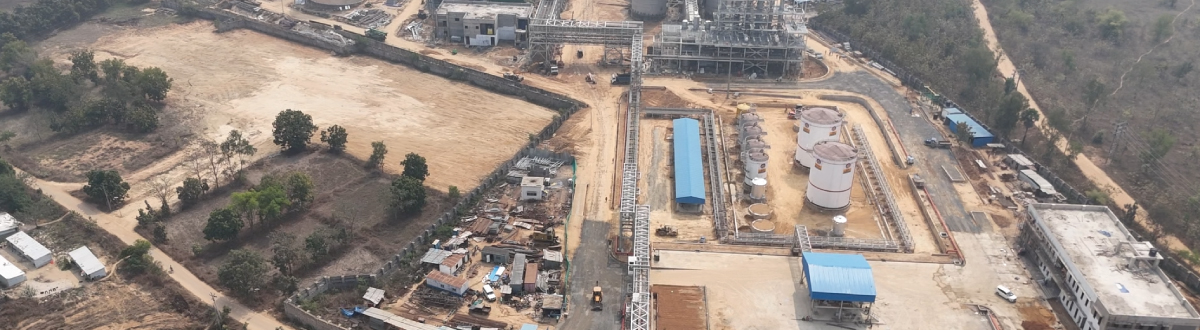
Tata Consulting Engineers (TCE) played a key role in the successful commissioning of India’s first integrated rice- and biomass-based bioethanol refinery in Odisha. This pioneering project combines both first-generation (1G) and second-generation (2G) bioethanol production within a single facility, marking a significant step forward in India’s sustainable energy landscape.
Project Scope
TCE served as the Owner’s Engineer and Project Consultant (OEPC), providing end-to-end engineering and project management consultancy services. The scope covered conceptual design, detailed engineering, procurement services, construction-phase support, and commissioning assistance.
The integrated plant has been designed to produce 100 kilolitres of ethanol per day, with feedstock sourced from broken rice grains for the 1G section and agricultural residues such as paddy and wheat straw for the upcoming 2G section.
Engineering Highlights
Innovation and Sustainability
The project is a landmark in India’s bioenergy innovation journey, enabling ethanol production from both food-grade and agricultural waste feedstocks within a single facility. TCE’s integrated design approach ensures:
Impact
Outcome
The integrated bioethanol refinery stands as a benchmark for future biofuel projects in India. By combining advanced engineering, sustainable design, and measurable community impact, TCE has reaffirmed its leadership in enabling India’s energy transition and supporting the nation’s renewable energy targets.
This project exemplifies TCE’s ability to deliver complex, first-of-its-kind facilities that integrate innovation, sustainability, and social value. Through its multidisciplinary expertise and engineering excellence, TCE continues to shape India’s clean and self-reliant energy future.


About Us
Overview Our Leadership MilestonesSubsidiaries
- Ecofirst - Tata Consulting Engineers USA, LLC Corporate Social Responsibility Corporate GovernanceMedia
Media Kit Notices Annual Reports Marketing Collateral Videos TCExpressions Press Releases Press Coverage@tceconnect


© Tata Consulting Engineers Limited. All Rights Reserved | Site Credits:DV



