
Sectors
Mining & Metallurgy
Services
Design & Engineering, Project Management and Safety
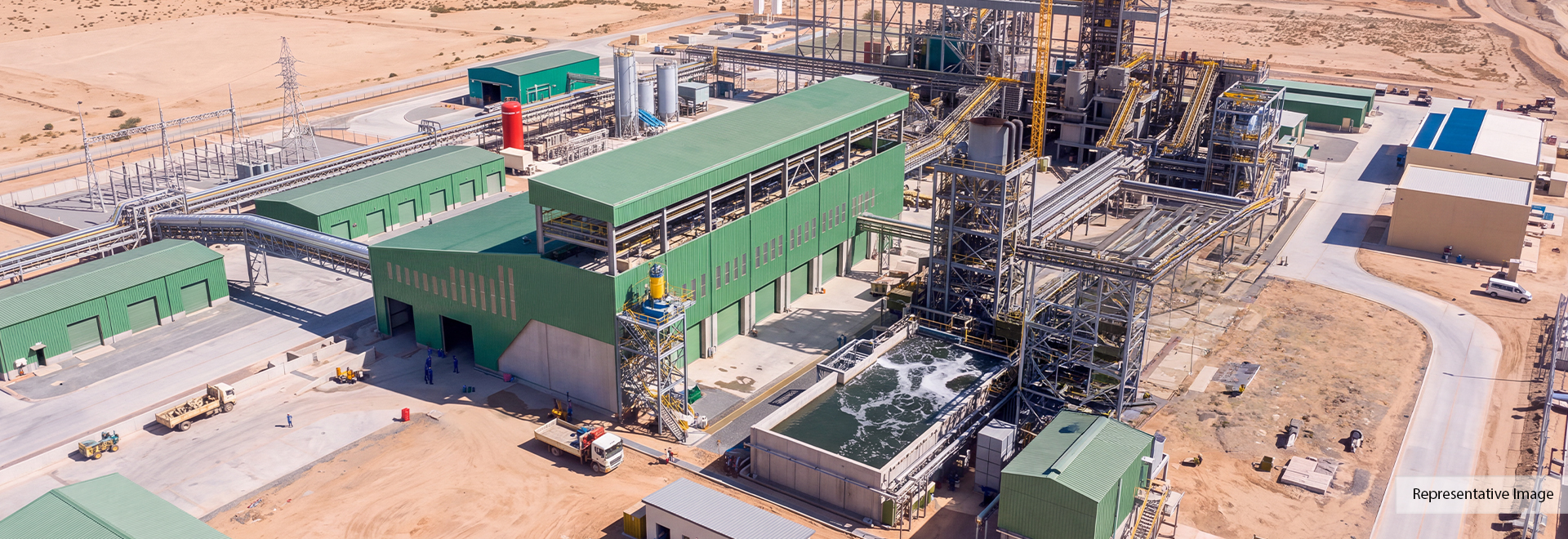
The Gamsberg Phase-II Zinc Concentrator Project represents the next phase in the development of one of the world's largest zinc deposits. Designed as a 4 MTPA zinc mineral processing facility, the project sought not only to increase processing capacity but also to incorporate valuable operational learnings gained during Phase-I into a more efficient, reliable and future-ready concentrator. The successful production of First Metal in Concentrate (MIC) marked a significant milestone in the project journey, signalling the transition from commissioning to operational production.
The Challenge
Following the commissioning and operation of Phase-I, several opportunities were identified to further strengthen plant performance and operational flexibility. The challenge was to translate practical operating experience into meaningful engineering improvements that could enhance throughput, recovery, maintainability and safety while supporting long-term operational objectives.
The project also required the successful integration of multiple process systems and careful management of technical, operational and execution-related interfaces during commissioning and start-up.
TCE's Approach
Drawing on direct experience gained during the execution and operation of Phase-I, TCE adopted a design philosophy focused on continuous improvement. The objective was not merely to replicate the earlier plant but to create a more robust concentrator capable of delivering stronger operational performance throughout its lifecycle.
The engineering team assessed lessons learned across the crushing, grinding, beneficiation and dewatering circuits and translated them into targeted design upgrades aimed at increasing capacity, improving recoveries, enhancing maintainability and strengthening operational resilience.
Engineering Enhancements
One of the most significant upgrades was the replacement of the Phase-I jaw crusher arrangement with a higher-capacity gyratory crusher. This enhancement improved ore handling capability while supporting increased processing requirements. Stockpile live capacity was also increased to provide greater operational flexibility and improve feed management.
To reduce moisture ingress while maintaining effective dust control, TCE incorporated Dry Fog Dust Suppression technology. The grinding and classification circuits were subsequently optimised, while wear-resistant Trellex slurry pipelines were introduced to improve reliability in demanding operating conditions.
Within the beneficiation circuit, TCE implemented an expanded conventional flotation configuration featuring significantly higher flotation volume, additional cleaning stages, enhanced reagent conditioning and an additional regrinding mill. These modifications were aimed at improving concentrate grade and maximising metal recovery.
Further design enhancements included auto-dilution thickeners, optimised filtration and dewatering systems, maintainability-focused equipment layouts, enhanced safety provisions, advanced automation features and infrastructure readiness for future expansion.
Creating Additional Value
Beyond technical improvements, TCE also helped unlock commercial value through import duty savings under the SARS Stage Consignment framework. Accelerated engineering review cycles supported project schedule commitments and contributed to efficient project execution. These interventions ensured that value was delivered not only through engineering excellence but also through execution efficiency and long-term operational benefits.
Outcome
The successful integration of the crushing, grinding, flotation and dewatering circuits culminated in the production of First Metal in Concentrate during August 2026. This milestone marked the transition from commissioning to operational production and demonstrated the effectiveness of the improvements incorporated into the Phase-II design.
By systematically embedding operational learnings from Phase-I into the Phase-II facility, TCE helped create a more reliable, efficient and future-ready zinc concentrator. The project stands as an example of how operational experience can be transformed into engineering solutions that enhance plant performance, strengthen operational flexibility and support long-term value creation.


About Us
Overview Our Leadership MilestonesSubsidiaries
- Ecofirst - Tata Consulting Engineers USA, LLC Corporate Social Responsibility Corporate GovernanceMedia
Media Kit Notices Annual Reports Marketing Collateral Videos TCExpressions Press Releases Press Coverage@tceconnect


© Tata Consulting Engineers Limited. All Rights Reserved | Site Credits:DV



