


Understanding Valve Tests in the Process Industry
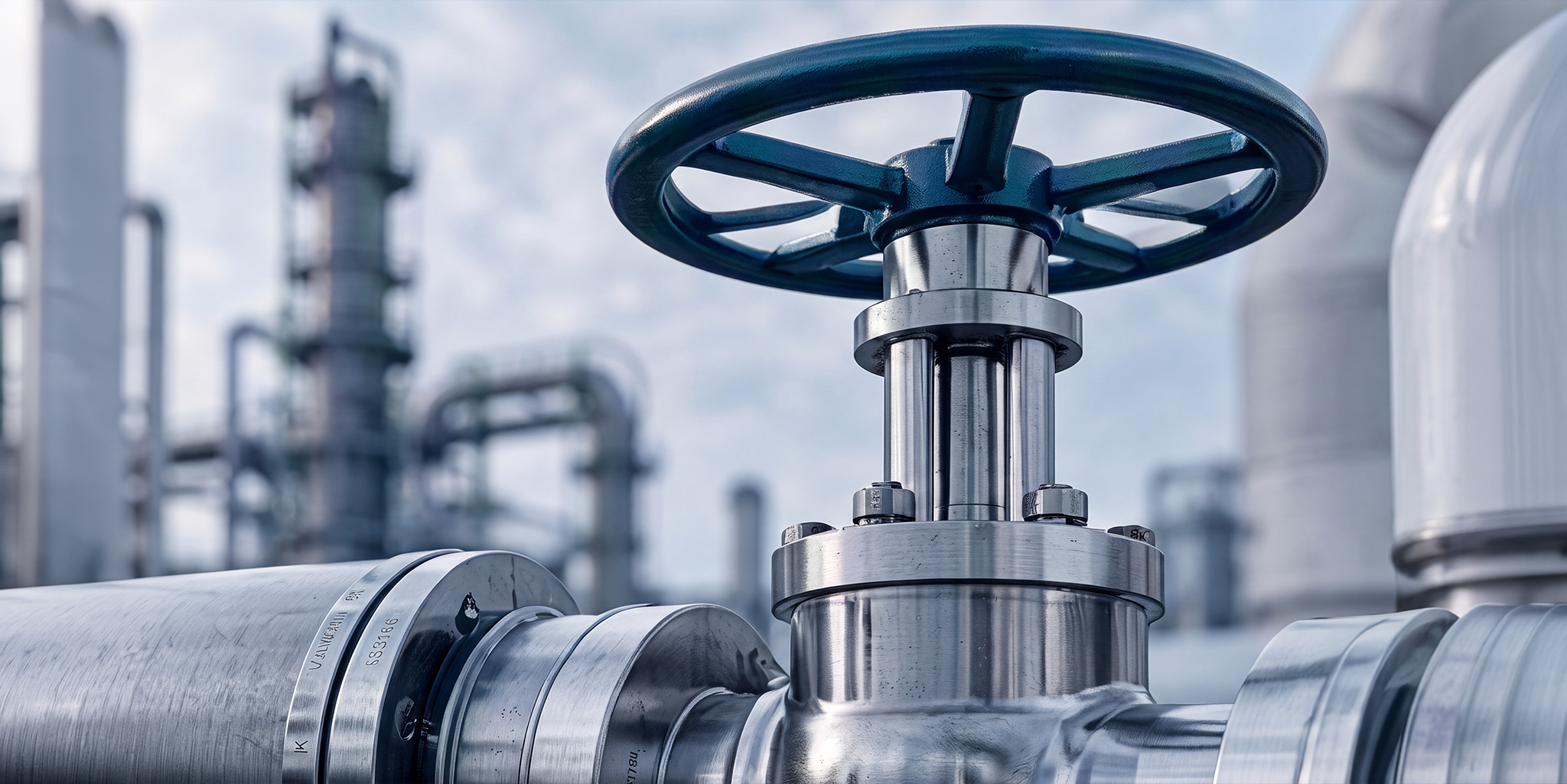
Valves are among the most critical components in any process plant. Whether handling water, steam, hydrocarbons, chemicals, or gases, they regulate flow, isolate equipment, and help maintain safe and reliable operations. Yet, their importance often becomes most apparent only when they fail.
A leaking valve can lead to safety incidents, environmental concerns, production losses, or costly shutdowns. This is why valve testing forms an essential part of the design, manufacturing, commissioning, and operational lifecycle of industrial facilities.
Rather than being a single activity, valve testing encompasses a range of evaluations designed to verify structural integrity, sealing capability, and operational performance under different service conditions.
Why Are Valve Tests Required?
Valve testing serves four fundamental objectives:
- Safety by preventing leakage that could harm personnel or the environment
- Reliability by ensuring smooth and consistent operation throughout plant life
- Performance by verifying a valve’s ability to withstand operating pressures, temperatures, and process media
- Quality Assurance by confirming compliance with recognised design and manufacturing standards
When Are Valve Tests Conducted?
Valve testing is not restricted to the manufacturing stage. It is carried out at multiple points across a valve’s lifecycle to ensure continued performance and compliance.
Factory Acceptance Test (FAT)
Conducted before the valve leaves the manufacturer’s facility, FAT verifies that the valve has been manufactured in accordance with design specifications and applicable standards.
Site Acceptance Test (SAT)
Performed during installation or commissioning, SAT confirms that the valve has been integrated correctly into the system and performs as intended under site conditions.
Routine Maintenance
Periodic inspections, often conducted at intervals of around 12 months, help identify wear, deterioration, or performance issues before they develop into operational problems.
After Repairs
Whenever a valve is reassembled or critical components are replaced, testing is performed to verify that its original performance and safety requirements have been restored.
Shutdowns and Turnarounds
Planned shutdown periods provide an opportunity for detailed inspections and testing activities that cannot be carried out while the plant remains operational.
Common Types of Valve Tests
Industry standards such as API 598 and ISO 5208 establish the requirements for many routine valve tests. Each test evaluates a specific aspect of valve performance.

A Note on Allowable Leakage
Leakage acceptance criteria vary depending on valve type.
- Ball valves are generally required to achieve bubble-tight shutoff with zero leakage.
- Gate and globe valves may permit limited leakage depending on valve class and API 598 requirements.
Testing for Critical Service Conditions
Standard testing may not be sufficient for valves operating under particularly demanding conditions. Additional qualification tests are often required based on process service requirements.
Fire Testing
Standards: API 607, API 6FA, ISO 10497
Valves are exposed to fire conditions with temperatures reaching approximately 1000°C.
Purpose: To verify that the valve can maintain pressure integrity and isolation capability during a fire event.
Cryogenic Testing
Standards: BS 6364, ISO 28921
Valves are tested at temperatures as low as −196°C.
Purpose: To ensure that sealing systems and materials continue to function without becoming brittle under extreme cold conditions.
NACE Compliance Testing
Standards: NACE MR0175, ISO 15156
Used for applications involving sour gas service containing hydrogen sulphide (H₂S).
Purpose: To verify material suitability and confirm heat-treatment compliance through hardness testing, particularly for alloy steel valves.
Non-Destructive Examination (NDE)
Standards: ASME B16.34
NDE techniques help detect potential defects without damaging the component.
Purpose: Common methods include Radiographic Testing (RT), Ultrasonic Testing (UT), Magnetic Particle Testing (MT), and Liquid Penetrant Testing (PT).
Common NDE methods include:
- Radiographic Testing (RT) for identifying internal casting defects
- Ultrasonic Testing (UT) for detecting discontinuities in forged components
- Magnetic Particle Testing (MT) for detecting surface defects in ferrous materials and welds
- Liquid Penetrant Testing (PT) for identifying surface defects in stainless steel and non-ferrous materials
Determining the Extent of Radiography
The extent of radiographic examination required for valve castings is influenced by several factors:
- Valve size, as larger castings have a greater probability of internal defects
- Service criticality, where higher-risk applications may warrant greater inspection coverage
- Pressure rating, as higher-pressure systems carry greater consequences in the event of leakage
Interestingly, industry codes do not prescribe a fixed extent of radiographic examination based on these parameters. Determining the appropriate inspection level remains an engineering decision based on risk, service conditions, and reliability requirements.
Looking Beyond Compliance
Valve testing is often viewed as a mandatory quality-control activity. In practice, it serves a much broader purpose. Effective testing helps identify potential issues before equipment enters service, supports plant reliability, reduces maintenance risks, and strengthens overall process safety.
As process facilities become larger, more complex, and increasingly focused on operational excellence, understanding when and why different valve tests are performed becomes just as important as meeting the requirements of the relevant standards.
With more than 50 years of experience in the design and commissioning of process plants, TCE has developed a deep understanding of valve applications, testing requirements, and the engineering decisions needed to support safe and dependable plant operations.


