


The Role of Battery Energy Storage in Enabling India’s Renewable Energy Targets
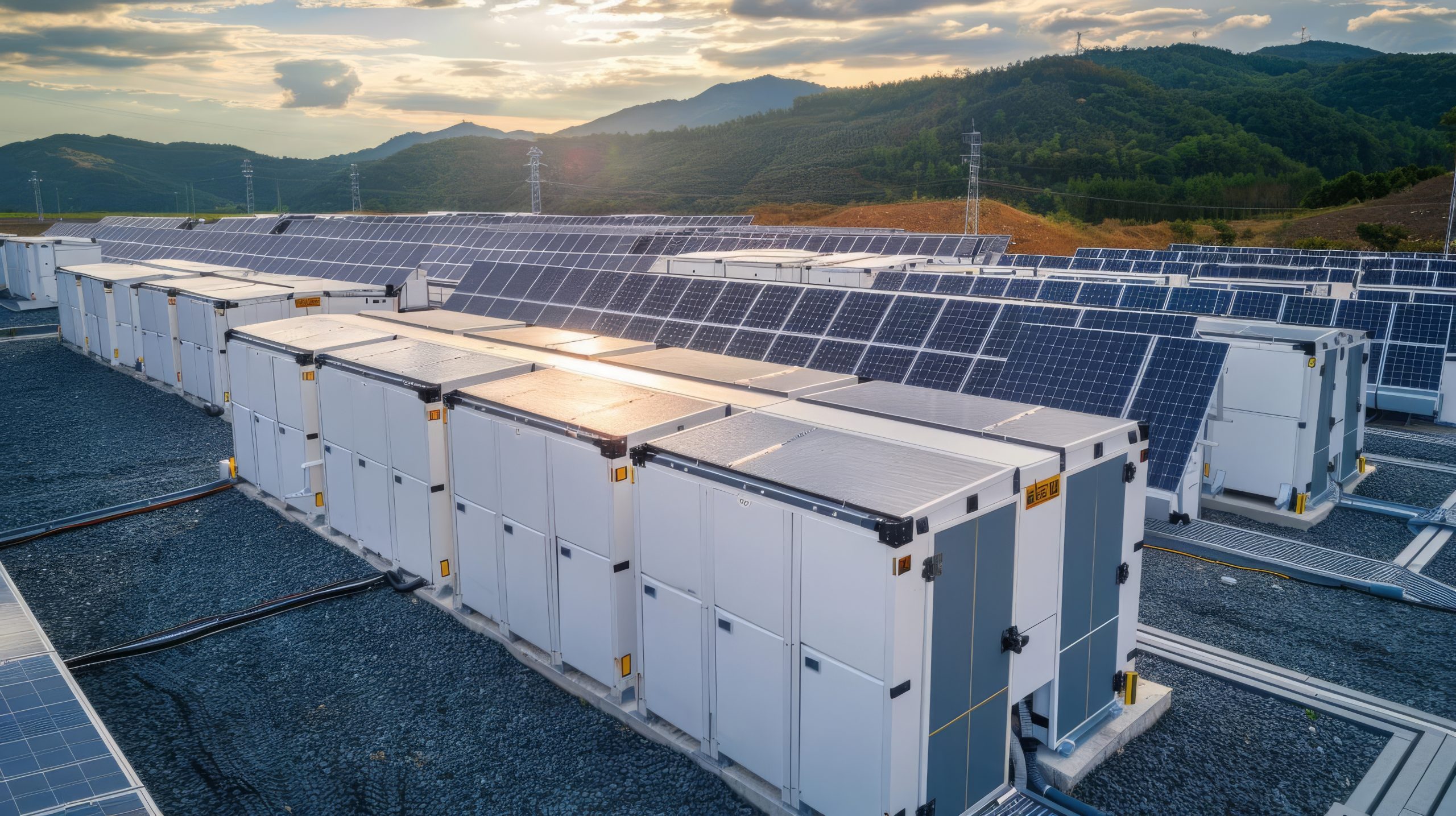
India is on a transformative path to achieve 500 GW of non-fossil fuel capacity by 2030, in line with its Paris Agreement commitments. This ambitious target demands rapid scaling of renewable energy generation while ensuring grid stability and reliability. Battery Energy Storage Systems (BESS) are central to this transition, offering solutions to manage intermittency and strengthen energy security.
Current Energy Mix and Growth Trends
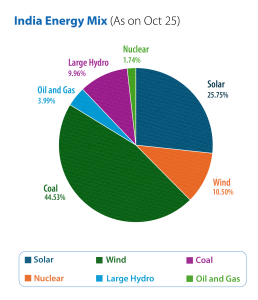
Today, fossil fuels dominate India’s energy mix, with coal contributing 44.5% and oil and gas accounting for 4%. Renewables, however, are gaining momentum. Solar power has reached 130 GW and wind stands at 53.5 GW, representing 25.7% and 10.5% of the mix. By 2030, India aims for 280 GW from solar and 140 GW from wind, supported by strong policy frameworks and technological advancements.
Why Battery Energy Storage is Essential
Integrating large volumes of variable renewable energy into the grid poses challenges in maintaining stability. BESS addresses these challenges by storing surplus energy and releasing it during peak demand. India’s peak electricity demand is projected to rise from about 250 GW in 2024 to 446 GW by 2030, making grid flexibility critical.
Key Benefits of BESS:
- Mitigates variability of renewable generation and supports higher integration
- Reduces curtailment; India lost 2–3 TWh of renewable energy in 2022 due to curtailment
- Enhances grid stability through frequency and voltage support
- Enables peak load shifting to reduce demand deficits
- Cuts carbon emissions by 40–50 million tonnes annually
- Defers costly transmission and distribution upgrades
- Facilitates energy arbitrage and optimises resource use
Storage Requirements for the Future
The National Electricity Plan (NEP) 2023 projects India will need 82.37 GWh of storage by 2026–27, including 47.65 GWh from pumped storage and 34.72 GWh from BESS. By 2031–32, this requirement will rise to 411.4 GWh, and by 2047, it is expected to surge to 2,380 GWh. These figures underscore the critical role of storage in achieving net-zero emissions by 2070.
Recent Developments in Battery Storage
Installed and Upcoming Capacity:
As of June 2025, India’s BESS capacity stands at 490 MWh, with 13.7 GWh under development. Under the Viability Gap Funding (VGF) program, 43.2 GWh is planned. In the first half of 2025, tenders for standalone and renewable projects integrated with BESS reached over 16 GW.
Policy Support:
- Viability Gap Funding scheme with ₹9,160 crore allocation
- Production Linked Incentive (PLI) scheme for advanced chemistry cells to achieve 50 GWh domestic manufacturing by 2030
- National Framework for Promoting Energy Storage Systems
- Battery Waste Management Rules for responsible recycling and disposal
Cost Trends Driving Adoption
Lithium-ion battery prices have fallen by over 90% since 2010, from $1,200/kWh to about $100/kWh in 2025 with some regional prices even lower (around $60-$70/kWh). This sharp decline has made storage solutions economically viable, accelerating adoption across sectors.
Challenges and Strategic Measures
Despite progress, India faces hurdles:
- Import Dependence: Promote domestic manufacturing and invest in R&D for alternatives like sodium-ion and flow batteries
- Recycling Gaps: Implement circular economy models and second-life applications to reduce waste
- Grid Readiness: Upgrade infrastructure and deploy smart grids for efficient integration
- Policy Framework: Develop a comprehensive National Energy Storage Policy with clear standards, incentives, and flexible tariffs
Learning from Global Leaders
China leads global storage deployment, expanding from 27.1 GW in 2023 to over 100GW in 2025. The United States follows with approximately 30 GW in Q1 2025, while Europe reached a total capacity of around 45 GW in 2025. These examples highlight the pace at which storage is shaping energy systems worldwide.
Powering India’s Clean Energy Future
Battery energy storage is indispensable for India’s clean energy transition. By addressing challenges and leveraging strong policy frameworks, India can emerge as a global leader in renewable energy and storage solutions. BESS will enhance grid reliability and accelerate progress toward the 2030 target of 500 GW non-fossil capacity. TCE remains committed to supporting this transformation through innovative engineering solutions that enable a sustainable and resilient energy future.


